Introduction to Female Sexual Dysfunction

Introduction to Female Sexual Dysfunction

Female sexual health is a dynamic and multifaceted phenomenon that is closely linked to a woman's overall quality of life. Sexual dysfunctions can interfere with intimacy, affect a martial relationship, and ultimately erode well-being and overall health. Determining the etiology of sexual complaints in women is often a complex process; the healthcare provider must be a cautious detective, exploring both the medical and psychological issues that can influence the sexual response cycle. An analysis of data on more than 1700 women aged 18-49 from the National Health and Social Life Survey suggested that the incidence of sexual complaints in women was approximately 43%, with diminished desire being the most frequent disorder cited.[1]

The physiology of the female sexual response involves more than the genital pelvic organs (vulva, clitoris, labia majora and minora) and the internal pelvic structures (vagina, uterus, ovaries, and fallopian tubes). The spinal and central nervous system are also major contributors as are a number of areas of the brain, including the hippocampus, hypothalamus, limbic system, and medial preoptic area. Also implicated in the response cycle are neuropeptides like serotonin, dopamine, norepinephrine, epinephrine, opioids, nitric oxide, acetylcholine, and vasoactive intestinal peptide. Sex steroids, estradiol and testosterone, are essential in the female genital response and normative functioning of the response cycle.


Etiology

There are many causes, both direct and indirect, of female sexual dysfunction. Acute or chronic bodily illness, psychological problems, and interpersonal conflicts can all have an impact on a woman's sexual response or motivation.

Biological Factors

Chronic illnesses that have been implicated in sexual dysfunction include:

  • Cardiovascular diseases;

  • Diabetes;

  • Autoimmune syndromes; and

  • Neurologic impairment.

Sexual anatomy, physiology, and normative response may also be affected by malignancy, urologic or gynecologic problems, and endocrinopathies. Estrogen depletion from natural, surgical, or chemically induced menopause, as well as premature ovarian failure,[2] may cause vaginal dryness and menopausal syndrome which can lead to sexual complaints. Young women who have either anorexia- or exercise-induced amenorrhea, bulimia, or who have had chemotherapy or radiation may also experience vaginal atrophy and sexual dysfunction.[2] Lactation-induced amenorrhea is common in women who are breastfeeding; postpartum women may also suffer from hypoestrogenemia, vaginal dryness, and atrophic complaints.

Psychological Factors

Interpersonal conflicts such as marital infidelity, as well as psychiatric illnesses such as depression, anxiety, or substance abuse, can also have an adverse effect on sexual function, as can past history of sexual abuse or physical violence. Additional factors that can contribute to sexual problems include:

  • Marital discord;

  • Poor partner health;

  • Cultural conflicting mores;

  • Lack of privacy;

  • Poor relationship trust and quality;

  • Poor technical skills in the partner; and

  • Sexual naiveté about anatomy and orgasmic response.

Medications

In addition to acute or chronic health conditions, many medications have been implicated in detrimental sexual response. The common culprits include:

  • Psychotropic medications, including antipsychotics, mood stabilizers, and serotonin reuptake inhibitors;

  • Many cardiovascular agents;

  • Histamine receptor blockers; and

  • Oral contraceptives.


AFUD Classification

According to the revised definitions of the American Foundation of Urological Diseases (AFUD), there are 5 categories of female sexual complaints:

  • Hypoactive sexual desire disorder -- persistent or recurring deficiency or absence of sexual fantasies, thoughts, or receptivity to sexual activity that causes personal distress.

  • Sexual aversion disorder -- persistent or recurring phobic aversion and avoidance of sexual contact that causes personal distress and can be a result of physical or sexual abuse or trauma.

  • Sexual arousal disorder -- has many subtypes, including subjective arousal disorder, genital arousal disorder, and combined arousal disorder. Arousal disorders are the persistent or recurring inability to attain or maintain sufficient sexual excitement, causing personal distress.

  • Orgasmic disorder -- persistent or recurrent difficulty in delay in or absence of attaining orgasm after sufficient sexual stimulation and arousal, causing personal distress.

  • Sexual pain syndromes -- include dyspareunia, vaginismus, and other pain disorders


Evaluation and Diagnosis

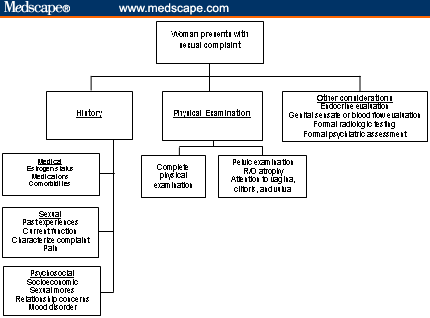
The mainstay of sexual medicine evaluation includes a comprehensive detailed medical and psychosexual history combined with a detailed physical -- and possibly pelvic -- examination. Often, laboratory assessment of hormonal levels and other advanced assessment techniques can help the clinician discern the differential diagnosis. See Figure 1.

Figure 1: The female patient: evaluation.
(Click to enlarge)
Figure 1. The female patient: evaluation.
Adapted from Krychman ML. Female sexual dysfunction. Female Patient. 2007;32:47-48.

History

A detailed history is critical for correct assessment of female sexual complaints. Characterizing the complaint in the patient's own words is often helpful; the clinician can facilitate this process by being an active listener. Discerning the timeframe of the complaint is essential:

  • Has it been a lifelong problem or is it acquired?

  • Is it present in all situations or in selected relationships?

  • Can the patient attribute a certain event to the onset of the complaint?

It is also essential to review the gynecologic, menstrual, and obstetrical history; obtain a list of medications, including herbs and over-the-counter supplements; determine prior surgeries; and assess ongoing chronic medical illnesses, including their timeline and treatments. Psychosocial, marital, and psychiatric histories are also required.

Past medical history, current health status of the patient and her partner, and an evaluation of the neurologic and endocrinologic systems can be helpful. Life stressors, including financial pressures, employment, and social responsibilities, need to be identified, as these can affect interest in sexuality.

An attempt should be made to assess symptoms, especially if sexual pain or vaginal dryness is occurring. These symptoms can be complex and often involve both urinary concerns (frequency, urgency, incontinence, and recurrent urinary tract infections) as well as vaginal complaints (dryness, painful intercourse, bleeding or spotting, itchiness, pain, pressure, or foul-smelling discharge).[2,3]

Psychological symptoms related to sexual intimacy or desire, including stress, anxiety, or depression, should be assessed. To complete the detailed and comprehensive evaluation, questions regarding domestic abuse and substance use or abuse must also be addressed.

The partner can also be an important source of information; many experts therefore advocate having the partner present at some point during the history. Patients often will display serial disclosure to their healthcare provider on consecutive office visits; confidentiality, continuity, and maintenance of a positive as well as safe therapeutic alliance between healthcare provider and patient are critical to successful outcomes.

Sometimes, structured formalized interview scales and checklists can be incorporated into the work-up for sexual complaints. Some of the more popular screening and assessment tools include the Female Sexual Function Index (FSFI)[4] and the Brief Sexual Symptom Checklist.[5] These questionnaires can often be mailed to patients in advance or completed in the waiting room. Some of these are available on Web sites.

Physical Examination

A complete physical examination should be performed in order to assess general health and rule out possible chronic diseases that may affect the sexual response cycle. A thorough genitopelvic examination is paramount to rule out underlying pathology and to assess, as well as differentiate, urogenital atrophic changes. Atrophy is a chronic, progressive medical condition associated with tissue and organ deterioration; a primary symptom is dryness.[2]

Urogenital atrophy contributes to atrophic vaginitis. Careful inspection can demonstrate a pale, smooth, thinned epithelium which is extremely friable. It may even bleed on light touch. The vagina may be dry without lubrication, and may be pale, often containing petechiae.[2] The vaginal mucosa may be flat and blanched instead of exhibiting the more usual lush pinkish color with associated rugae, ridges, and folds. The vaginal tissue will have decreased pliability, elasticity, and stretchability.

In patients with pelvic organ prolapses, there may be an associated or patient-perceived loss of vaginal size. Other signs that may help pinpoint diagnosis are lacking or sparse pubic hair of the external genitalia, introital stenosis, and fusion or obliteration of the labia minora or majora. Evaluation of vaginal depth and rectal surfaces can be helpful. Palpation of the vaginal walls can identify points of deep and superficial muscular or pelvic pain that may require specific physical therapy or trigger-point evaluation.

The clitoris, clitoral hood, and surrounding structures warrant a comprehensive evaluation; shrinkage of the clitoral anatomy and introital stenosis are always concerning to the female patient and may signal a hypoestrogenic state.

Clinical examination according to Pandit and Ouslander[6] consists of examination of the urogenital tissues for signs of atrophy and should include a simple acid/base test with pH paper to assess the vaginal environment. The pH would typically be elevated in those who suffer from vaginitis. Vaginal cytology can also be used as an adjunct for diagnostic purposes. It is prudent to rule out candidiasis, bacterial vaginitis, and trichomoniasis as well as other sexually transmitted diseases that can interfere with normal vaginal flora. A quick and simple office-based wet mount and whiff test can be performed to exclude any underlying or compounding infectious etiology.

Laboratory Evaluation

Occasionally, a comprehensive analysis of hormonal profiles and a sexual health bloodwork panel are warranted as part of the dynamic work-up. Some labs that may be done include:

  • Complete blood count (CBC) to rule out underlying anemia;

  • Thyroid-stimulating hormone;

  • Prolactin;

  • Adrenal precursors such as dehydroepiandrosterone (DHEA) and dehydroepiandrosterone sulfate (DHEAS);

  • Sex steroids such as estrone, estradiol, progesterone, testosterone panel (includes free testosterone and sex hormone binding globulin);

  • Cholesterol panel; and

  • Liver function tests.

Some of the testing should be done after a brief fast while other tests need to be performed during specified times of the menstrual cycle to avoid cycle and diurnal variation. The utility of many of the laboratory tests increasingly has come into question as there is concern regarding reliability and normative values for women across the life cycle.

A pelvic or transvaginal sonogram may be warranted to assess pelvic anatomy and rule out underlying structural pathology. Advanced sexual health assessment tools that may be used by sexual medicine specialists include:

  • Vulvoscopy -- examination of the vulvar and surrounding structures to rule out underlying vulvar pathology;

  • Vaginal photoplethysmography -- objective measurement of genital blood flow;

  • Functional magnetic resonance imaging -- used primarily in research settings;

  • Biothesiometry -- assessment of neurological pelvic status; and

  • Perineometry -- assessment of pelvic floor musculature.


Treatment: Multidisciplinary Approach

The management of female sexual dysfunction is a complex process that requires addressing underlying medical issues coupled with treatment of psychological or psychosexual barriers. Often, several healthcare providers are involved in the dynamic treatment process for a given individual; the primary provider should have access to many specialists within his or her community. See Figure 2.
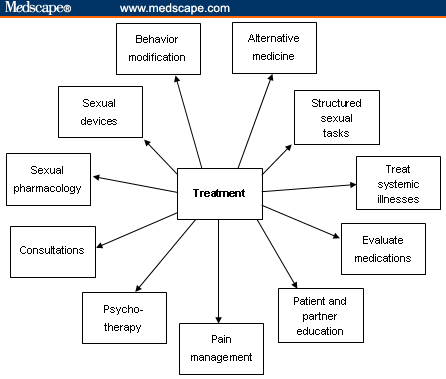
Figure 2: Treatment algorithm.
Figure 2. Treatment algorithm.
Adapted from Krychman ML. Female sexual dysfunction. Female Patient. 2007;32:47-48.

Internal Medicine and Pharmacology

Chronic systemic illnesses, such as hypertension, hypercholesterolemia, and/or an underlying thyroid dysfunction, can be contributing factors in sexual dysfunction. Treatment of these conditions accordingly can alleviate sexual problems. Consultation with the patient's primary care provider can be very helpful. As described in the history section, careful identification of medications is also essential; antidepressants and antihypertensive medications can have effects on sexual desire, arousal, and orgasm. Occasionally, medication regimens can be modified by altering dosing and/or time intervals or specific drug classes to decrease sexual side effects. The referral to a psychopharmacologist may be necessary.

Behavioral and Lifestyle Modifications

Behavioral and lifestyle modifications can improve overall quality of life and sexual function. A well-balanced diet, active exercise regime, discontinuation of tobacco use, and minimizing alcohol consumption should all be encouraged. Structured sexual tasks, such as the following, should also be encouraged:

  • Sensate focusing;

  • Squeeze-stop techniques;

  • Guided imagery and other relaxation techniques; and

  • Exploration of sexual fantasies.

Fatigue and poor sleep patterns may hinder sexual connectedness. The prescription should be for frequent naps or rest and instruction to plan sexual intimacy when well rested and fatigue is at a minimum.

Education concerning alternate forms of sexual expression, such as mutual massage; intimate fondling and caressing; or manual, digital, or oral stimulation should also be introduced to the couple to allow for sexual exploration and enhanced sexual communication. Innovative sexual techniques or positions may help the couple reduce sexual boredom as well. Patients and their partners should be encouraged to experiment as they are comfortable with alternative sexual positions. Side-to-side or female superior position may help limit deep pelvic thrusting, which can minimize vaginal discomfort for atrophic women. It also allows for direct clitoral stimulation, which many women find pleasurable.

A comprehensive sexual health program should also encourage techniques such as warm soaks to help decrease muscle tension and extensive physical therapy to help relax tense muscles.

Guided imagery, quiet meditation, deep-muscle relaxation, and avoidance of lethargy are options that can be explored as well.

Pain Management

In patients for whom pain is an element of sexual dysfunction, consultation with pain management specialists is essential. These specialists can help in adjusting opioid regimens, adding adjunctive analgesics, and modifying dosing schedules to decrease fatigue and lethargy while maintaining adequate pain relief.

Patient Education

The education of patients concerning normal genital anatomy and how the disease or therapeutic procedures have affected sexual anatomical functioning is important. The use of a handheld mirror during the pelvic examination can help the patient identify her own anatomical structures. Discussion concerning the Gräfenberg spot (G spot); clitoral, vaginal, and uterine orgasms; and dispelling some long-held sexual myths is also important. Take-home items such as pamphlets, books, videos, DVDs, and other visual aids can provide reinforcement and future reference for the patient and her partner.

There are many important books on sexual exploration, and a comprehensive list of books both for erotic reading and self-education can be helpful. The American Cancer Society's booklet entitled Sexuality for Women and Their Partners[7] is an excellent patient reference guide for the patient who has sexual complaints as a result of her cancer diagnosis or treatment. Information concerning sexual devices and accessories can also be given to the patient. Sexual accessories such as self-stimulators can be encouraged as part of the sexual health treatment plan. Legitimate Web sites and Internet links should also be recommended to the patient as part of her comprehensive sexual education program. Sexual health organizations such as the International Society for the Study of Women's Sexual Health, the Women's Sexual Health Foundation, and the Alexander Foundation for Women's Health are only a few of many excellent resources. (See "Resources" at the end of this article.)

Sexual Therapy

Certified sexual therapists are trained to deal with patients who have:

  • Intimacy or sexual concerns;

  • Associated body image issues; and

  • Changes in sexual self-esteem.

Patients should be offered cognitive-behavioral therapy; brief intervention therapy; or marital, individual, couples, or group therapy by a trained therapist who deals with sexual issues.

Menopause

The following lifestyle changes can help manage troublesome hot flashes for menopausal women[8]:

  • Avoidance of spicy food;

  • Decreasing caffeine;

  • Alcohol moderation;

  • Lowering thermostat;

  • Rhythmic breathing; and

  • Acupuncture.

Some nonestrogen medications (serotonin reuptake inhibitors, clonidine patch, megestrol acetate) can be used to help reduce hot flashes when systemic estrogen is contraindicated or declined by patients.

Lubrication

Nonmedicated, nonhormonal vaginal moisturizers and lubricants may be useful for women who experience vaginal dryness and painful intercourse, especially women who decline or are not candidates for minimally absorbed local vaginal hormones. Vitamin E gel capsules can be punctured with a pin and then inserted into the vagina.[9] Another method is to instruct the patient to empty the capsule's contents onto her finger and gently insert it circumferentially within the vagina.

An over-the-counter polycarbophil-based vaginal moisturizing gel (Replens; Lil' Drug Store Products; Cedar Rapids, Iowa) can be used for the treatment of vaginal atrophy. When applied to the vaginal epithelium, it produces a moist film over the vaginal tissue which remains attached to the epithelial surface, providing lubrication. Replens has also been shown to restore vaginal pH measurements to premenopausal values.[10]

The healthcare provider should also caution patients to read the labeled ingredients of the moisturizers. Women with severe vaginal atrophy should avoid additives in lubricants such as colors, flavors, spermicidal agents, bactericides, or warming ingredients, as these may irritate the vaginal lining.[11]

Vaginal lubricants are typically used during sexual intercourse, and many people who use them find that they enhance sexual intimacy. A good lubricant should be water-based and compatible with rubber products like diaphragms or condoms. Lubricants should be easy to apply within the vagina. They can typically be purchased in the pharmacy, grocery store, or online. When using lubricants, it is suggested to have a small hand towel close by for easy clean-up. Many lubricants require reapplication during intercourse, so patients should be advised to keep the bottle handy for reapplication. Petroleum-based products such as mineral oil, petroleum jelly, and edible oils should be avoided within the vaginal vault; they can interfere with helpful vaginal bacteria, can disrupt the bacterial balance, and have also been known to weaken condoms.

Sexual Devices

Sexual devices such as vaginal dilators or self-stimulators are helpful when vaginal shortening or narrowing has occurred. Scar tissue can impede penetration, causing dyspareunia. Vaginal dilators with lubricants can help lengthen and widen the vagina and loosen the scar tissue that may contribute to tenderness and distress associated with vaginal intercourse. Ongoing supportive physical therapy is essential, and often behavioral therapy can be influential for continued compliance.

The Eros (UroMetrics; St. Paul, Minnesota) clitoral stimulator has been prescribed for patients who have had cervical cancer and for some with intravaginal radiation. Others who have used the device with success include those with other pelvic cancers, such as rectal and vaginal cancers. The Eros stimulator is the only device currently approved by US Food and Drug Administration (FDA) for the treatment of female sexual complaints. It is a battery-operated device with a suction cup that fits around the clitoris and facilitates engorgement. The device is expensive, but if the diagnosis is clearly documented in the patient's chart, insurance will often cover the cost.

Pharmacotherapy: Estrogen

Sexual pharmacology remains the mainstay of treatment for many female sexual complaints. A number of healthcare providers advocate systemic hormonal therapy with estrogen, progesterone (if the woman has a uterus to prevent endometrial hyperplasia), and varying degrees of supplemental testosterone. The discussion of hormonal therapy is beyond the scope of this article and the reader is referred to the North American Menopause Society or the American College of Obstetricians and Gynecologists for further product selection and specific choice details. The Women's Health Initiative (WHI) results sparked much controversy and have had an impact on patient perception of hormonal therapy and physician prescribing patterns.[12,13] Many women are fearful of systemic estrogen therapy because of the increased risk for breast cancer and cardiovascular effects; many are opting for minimally absorbed local estrogenic therapies that can effectively treat vaginal complaints.

In 2003, the FDA stated that local estrogen therapy should be used for the treatment of moderate-to-severe symptoms of vulvar and vaginal atrophy.[14] There have been some concerns over long-term safety with hormonal therapy in light of the WHI studies, and many patients and healthcare providers are now exercising caution before prescribing hormones. A risk-benefit analysis is often undertaken with the participation of the patient and is documented in the patient chart. Each patient must assess the personal risk of hormones vs the benefits.

Local vaginal hormones come in a variety of different application methods. Creams, rings, and tablets are the most common types of minimally absorbed vaginal estrogen products that are presently available.[15] See the Table for their dosing schedules.

Table. Vaginal Estrogen Therapy

Cream 17 beta-estradiol
(Estrace; Warner Chilcott; Rockaway, New Jersey)
Initial 2-4 g/day for 1-2 weeks, then 1-2 g/day for 1-2 weeks
Maintenance: 1 g/day 1-3 times/week
Conjugated estrogens
(Premarin; Wyeth; Philadelphia, Pennsylvania)
0.5-2 g/day
Ring 17 beta-estradiol
(Estring; Pfizer; New York, NY; Femring; Warner Chilcott)
Release rate 7.5 micrograms/day for 90 days
Total device contains 2 mg
Vaginal tablet 17 beta-estradiol
(Vagifem; Novo Nordisk; Princeton, New Jersey)
Initial: 1 tablet/day for 2 weeks
Maintenance: 1 tablet 2 times/week
Adapted from: Pinkerton J. Vaginal estrogen therapy: The question of systemic absorption. Female Patient. 2006;31:24-26.

Vaginal creams. Vaginal creams contain either conjugated estrogens or estradiol and are typically applied to both the interior of the vagina and exterior of the vulvar vault with an applicator that can be refilled and reused. Patients self-administer the quantity, and some women find creams especially soothing to the pelvic region. Others may find them messy because the cream may leak and drip.

Vaginal ring. The 17 beta-estradiol-releasing vaginal silicone-plastic ring is a minimally absorbed vaginal ring that is placed within the vault every 3 months. The vaginal ring is typically inserted by the healthcare professional in an office setting to ensure that the ring is placed in the upper third of the vaginal vault. The patient can reinsert the ring on a 3-month basis or if it is expelled for any reason. The 2.0-mg dose of estradiol is released over a 3-month period. Some women find this product extremely helpful because they do not have to remember to use it on a daily basis. Others, however, find it uncomfortable, and some partners have even complained of feeling the ring during sexual intercourse. Vaginal erosions or abrasions have been associated with the vaginal ring which may also be expelled during urination, defecation, or intercourse. Some women report an increase in vaginal discharge while using the ring.

Vaginal tablets. Minimally absorbed vaginal tablets (17 beta-estradiol) are another option for local vaginal estrogen therapy. The tablets are contained in a prefilled plastic applicator which is disposable and biodegradable. These tablets, which patients self-administer twice a week, are well tolerated and not associated with increased incidence of endometrial hyperplasia.[16] Advantages of this system are that it is inconspicuous, convenient to use, and does not cause a mess. A study of this system by Suckling and coworkers[17] demonstrated success rates in excess of 85% of women treated.

Pharmacotherapy: Androgens

One common but still controversial treatment for female sexual dysfunction is androgen therapy. Oral esterified estrogen with methyl-testosterone has been used in the field of sexual medicine extensively since the 1970s but it has yet to win FDA approval for the treatment of desire issues.[18] The testosterone transdermal patch was recently approved for hypoactive sexual desire disorder (HSDD) in Europe, but there is no approved medication in the United States. The long-term safety and efficacy of androgen therapy has not yet been established, but there is increasing evidence that testosterone therapy has beneficial effects on libido, mood, and bone mineral density.[19-21]

One long-term safety issue is a concern that the testosterone can be aromatized to estrogen, which may reactivate or promote breast cancer cell tumor growth.

Alexander and colleagues[22] published an excellent review of the available medical data of testosterone and libido in surgically and naturally menopausal women. The review systematically examined evidence from randomized controlled trials (RCTs) and reported that there seems to be value in giving testosterone to estrogen-replete menopausal women with desire concerns. Kinsberg[23] discussed the INTIMATE (Investigation of Natural Testosterone in Menopausal women Also Taking Estrogen) studies, which demonstrated that transdermal testosterone is a safe and effective treatment with minimal side effects for HSDD. The new testosterone transdermal matrix patch Intrinsa (Procter & Gamble; Cincinnati, Ohio) is a promising treatment for low libido; however, further RCTs and safety data are warranted before considering use in patients with this problem.

Other agents in differing clinical stages of development include:

Flibanserin. This is a 5H1-agonist/2A antagonist manufactured by Boehringer Ingelheim for the treatment of HSDD. This agent is believed to be well tolerated and is associated with minimal side effects, including nausea, dizziness, fatigue and somnolence, and increased bleeding when taken along with nonsteroidal anti-inflammatory drugs or aspirin. Phase 3 clinical trials are presently under way.

Alprostadil. This is a naturally occurring potent vasodilator that has an important role in the regulation of blood flow to the female reproductive tract. Local application may increase vaginal blood flow and sensation, leading to increased sexual arousal. Several trials are under way.

Alpha-melanocyte-stimulating hormone (MSH) analog: PT-141: bremelanotide. This agent is administered as an intranasal spray. It is in development for the treatment of female sexual dysfunction.

Tibolone. This agent, which is currently unavailable in the United States, is thought to reduce hot flashes, increase bone mineral density, and have a positive effect on vaginal dryness. It may also improve desire but not sexual function. Studies of the impact of tibolone on lipid metabolism and hemostasis are inconclusive, and long-term effects remain unknown.

Nonmedical Pharmacotherapy: Over-the-Counter Supplements

In addition to the agents mentioned above, many nonpharmacologic therapies are being marketed directly to the consumer as sexual health enhancers. Besides having worrisome and potentially detrimental side effects, very few of these supplements have been shown in randomized trials to have any clinical effect on sexual dysfunction. Some patients may experiment with foods that are traditionally thought to enhance sexuality, such as chocolate, ginseng, oysters, and black cohosh. Although these foods are unlikely to cause adverse events, their efficacy has not been established in controlled studies. Various combination over-the-counter alternatives are also popular but have not been properly studied.

DHEA. Another popular alternative substance, DHEA, has limited RCT data.[24] According to one placebo-controlled trial, raising levels of DHEA via supplementation improved frequency of sexual thoughts, sexual interest, and sexual satisfaction. DHEA has been shown to increase androgens, decrease high-density lipoprotein, and decrease sex hormone binding globulin. However, high levels of DHEA have been correlated with increased risk for cardiovascular disease in women.

Consultants: Multidisciplinary Management

Consultants are a critical element in the comprehensive multidimensional management of the female sexual health patient. Some of the many healthcare providers included in the dynamic may be:

  • Physical therapists trained in pelvic and genital rehabilitation;

  • Surgeons;

  • Medical oncologists;

  • Social services providers;

  • Nutritionists;

  • Exercise therapists; and

  • Psychological and psychiatry support staff.

A list of clinicians and ancillary staff who are sensitive to sexual issues should be readily available for patients who take part in sexual health programs.


Follow-up and Maintenance

Routine follow-up of patients on local estrogen vaginal therapy and hormones is warranted to ensure efficacy and correct dosing of prescribed treatment. Ongoing evaluation and management is appropriate to assess for resolution of distressing symptoms. For those on androgen therapy, careful surveillance is advocated along with repeat bloodwork done at intervals to monitor for side effects

The diagnosis and treatment of female sexual complaints is a complex, multimodal medical psychological health concern which warrants assessment and comprehensive therapeutic modalities to achieve success and resolve complaints.



Pharmacologic Options for Treatment-Resistant Depression

Pharmacologic Options for Treatment-Resistant Depression: An Expert Interview With Charles B. Nemeroff, MD, PhD

Depression: An Expert Interview With Charles B. Nemeroff, MD, PhD

Posted 06/09/2008

Charles B. Nemeroff, MD, PhD Author Information

Editor's Note

Treating depression is seldom as simple as prescribing an antidepressant. Some patients fail to improve enough to resume normal life activities, and many others continue to have bothersome symptoms that prevent full functioning. Charles B. Nemeroff, MD, PhD, is a leading researcher in the field of mood disorders. He is the Reunette W. Harris Professor and Chairman of the Department of Psychiatry and Behavioral Sciences at the Emory University School of Medicine in Atlanta, Georgia. On behalf of Medscape, Randall F. White, MD, asked Dr. Nemeroff for an update on managing treatment-refractory depression.

Medscape: All psychiatrists and some primary care providers see patients with depression who just don't seem to get better with a course of antidepressant medication. At some point, a patient might be considered resistant to treatment .What is the prevailing definition of treatment-refractory depression (TRD)?

Charles B. Nemeroff, MD, PhD: There are a number of definitions, but in reality, they are not very established in practice. The accepted research definition from the work of Michael Thase and colleagues[1] is a failure of trials with 2 antidepressants that have distinct mechanisms of action. But that is probably an oversimplification of the problem because it depends on how you define response. If you define response as a 50% improvement in depressive symptoms, then response rates are relatively high; but if a patient begins treatment with a Hamilton Depression Rating Scale (HDRS) score of 35 and ends up, after 12 weeks, with a HDRS score of 17, that change may qualify as treatment "response" even though the patient remains quite symptomatic. I, however, would not consider that patient to be optimally treated.

Recently we have come to use remission as an endpoint, which is arbitrarily defined as scoring under 7 or 8 on the HDRS, and some researchers are even talking about recovery, defined as having a HDRS score of less than 4. So if you start looking at it that way, which means a return to the premorbid, virtually asymptomatic state, TRD is indeed a large population.

Medscape: How common is the problem of TRD in psychiatric practice and in the general population?

Dr. Nemeroff: Extremely common. In the Sequenced Treatment Alternatives to Relieve Depression (STAR*D) study, only 28% of patients treated with open label citalopram exhibited remission.[2] That means that 72% didn't, which is pretty remarkable given 14 weeks of treatment with a selective serotonin reuptake inhibitor (SSRI).

Medscape: In a review article you wrote, you mentioned a TRD prevalence in the general population of 2%-3%.[3]

Dr. Nemeroff: That article used the strictest definition of treatment resistance, which doesn't include partial responders. I think the data are simple in terms of monotherapy: at best, a third of patients achieve remission. If a failed trial with a single antidepressant were considered treatment resistance, it would encompass two-thirds of patients. In the second wave of STAR*D, another 25% of patients achieved remission, either with switching[4] or augmentation.[5] So in that study, with 2 antidepressant trials, 50% of patients entered remission.

Most people in practice would say that 30% of the patients that they treat have TRD.I would say, using more stringent criteria, it is closer to 40% or 50%.

Medscape: How much disability is associated with TRD?

Dr. Nemeroff: A huge amount, with a high rate of unemployment or missed work days; and impairment on measures of quality of life and functional outcomes, such as impaired ability to experience pleasure, and impaired family interactions. It takes a terrible psychosocial toll, and also a large medical toll because depressed patients are at increased risk for a variety of other medical disorders, such as heart disease and stroke. The literature on heart disease and depression is vast. [6]

Medscape: How much does medical or psychiatric comorbidity contribute to TRD?

Dr. Nemeroff: A number of occult medical disorders, if left untreated, are associated with TRD. The leading cause is occult hypothyroidism. Patients with primary hypothyroidism do not respond to antidepressants at all, which has been well-researched.[7]

Medscape: What about psychiatric comorbidities and treatment resistance?

Dr. Nemeroff: Anxiety disorders are highly comorbid with depression and inevitably impede treatment response. Patients with panic disorder, obsessive-compulsive disorder, generalized anxiety disorder, and social anxiety disorder are more likely to exhibit treatment resistance compared with patients who have uncomplicated major depression.[2]

Medscape: Can you briefly outline the pharmacologic strategies for managing TRD?

Dr. Nemeroff: We have 2 main pharmacologic approaches: switching and augmentation. In switching, most practitioners choose a medication with a different mechanism of action from the first one. For example, if a patient had not responded to an SSRI, you might choose a serotonin-norepinephrine reuptake inhibitor (SNRI); an atypical antidepressant such as bupropion, mirtazapine, or nefazodone; or a monoamine oxidase (MAO) inhibitor or tricyclic antidepressant. Yet in the STAR*D trial, 25% of patients who did not respond to citalopram responded to sertraline.[4] Both are SSRIs, but they are different in some ways: sertraline has some affinity for the dopamine transporter whereas citalopram does not.

The augmentation strategy includes either augmentation with an agent that in and of itself is not an antidepressant but can enhance the effects of the antidepressant, or combining the initial antidepressant with a second antidepressant. This is not without some ambiguity because, for instance, quetiapine is a second-generation antipsychotic (SGA) that actually has antidepressant properties of its own. Be that as it may, the traditional strategies are thyroid hormone (T3), 25-50 micrograms daily, and lithium.

The data for T3 are discordant, with both positive studies and negative studies. It can get confusing because some investigators have tried to use T3 to accelerate antidepressant response in depressed patients receiving initial treatment, and thus to convert nonresponders to responders. A recent study did find an effect of T3, but it was not in TRD patients.[8] We have done a similar study, which has been presented but not yet published, and did not see any beneficial effect of T3.

Medscape: They also used T3 in STAR*D.[9]

Dr. Nemeroff: Yes, with a 23% response rate.

Medscape: It actually came out ahead of lithium.

Dr. Nemeroff: It did better than lithium, which had an 11% response rate, but the difference between lithium and T3 was not statistically significant because of the small numbers of patients.

The problem with this part of the STAR*D trial was that they used a lithium dose of 900 mg per day. Why would you limit lithium to such a low dose? We know that most patients require higher doses.

Lithium is a clear choice for antidepressant augmentation, but more studies have been conducted with tricyclics than with SSRIs or SNRIs. Although lithium may have a lot of side effects, it is the only medication that has been shown to reduce suicide, which is a major advantage.[10]

Medscape: The second-generation antipsychotics (SGAs) show promise in TRD. Which ones have been studied and what does the latest research tell us about their usefulness?

Dr. Nemeroff: My research team published a report in Neuropsychopharmacology,[11] Mahmoud and colleagues published a study late last year,[12] and our group together with the Brown University group conducted a third study that is now in press.[13] All 3 studies show that risperidone is effective in TRD to a greater or lesser extent.

Shelton and colleagues performed the original research on olanzapine in combination with fluoxetine. [14] Three augmentation studies with quetiapine have been presented but are not yet published.[15] No controlled trial data exist for ziprasidone or clozapine, although open-label studies are available. And of course, after our initial pilot observations, aripiprazole was approved by the US Food and Drug Administration (FDA) as an adjunctive to an antidepressant for treatment of major depression.[16]

Medscape: Are you aware of distinctions among these SGAs in efficacy, safety, and tolerability for this indication? How does the clinician make the decision to use one?

Dr. Nemeroff: No one has conducted head-to-head comparisons among them. I think the decision comes down to side effects. Olanzapine and quetiapine have the burden of weight gain and potential for diabetes and metabolic syndrome. Risperidone has the burden of extrapyramidal side effects at higher doses and possibly tardive dyskinesia, as well as a tendency to increase prolactin secretion. So none of them is perfect.

Medscape: In your opinion, when would a clinician actually consider using one of these agents for TRD?

Dr. Nemeroff: I am not in any way opposed to using SGAs early in the course of TRD. If a patient is having trouble sleeping, a medication such as quetiapine could be very helpful. The patient can receive immediate benefit from improved sleep, and then during the next couple of weeks, depression should also improve.

When I am treating patients who have TRD, I sit down and tell them about the panoply of available treatments, including cognitive-behavior therapy (CBT), which can be done in conjunction with taking medicine. Depending on how depressed they are, I will talk to them about other nonpharmacologic options, such as electroconvulsive therapy, and perhaps repetitive transcranial magnetic stimulation, which is awaiting approval by the FDA.[3]

I describe the various medication possibilities: combination therapy, such as venlafaxine plus mirtazapine; MAO inhibitors, clearly effective agents for the treatment of depression, and especially atypical depression; tricyclic antidepressants with all the side effects of each. I go over some of the newer, off-label options such as the anti-Parkinson drugs pramipexole and ropinirole, for which there are some data on efficacy. [3]

Medscape: You already referred to this briefly, but what is the role of psychosocial intervention for patients with TRD?

Dr. Nemeroff: I think its role is big, but the problem is that not many practitioners, particularly psychiatrists, are skilled in CBT. The evidence is that CBT added

Introduction to Female Sexual Dysfunction

Female sexual health is a dynamic and multifaceted phenomenon that is closely linked to a woman's overall quality of life. Sexual dysfunctions can interfere with intimacy, affect a martial relationship, and ultimately erode well-being and overall health. Determining the etiology of sexual complaints in women is often a complex process; the healthcare provider must be a cautious detective, exploring both the medical and psychological issues that can influence the sexual response cycle. An analysis of data on more than 1700 women aged 18-49 from the National Health and Social Life Survey suggested that the incidence of sexual complaints in women was approximately 43%, with diminished desire being the most frequent disorder cited.[1]

The physiology of the female sexual response involves more than the genital pelvic organs (vulva, clitoris, labia majora and minora) and the internal pelvic structures (vagina, uterus, ovaries, and fallopian tubes). The spinal and central nervous system are also major contributors as are a number of areas of the brain, including the hippocampus, hypothalamus, limbic system, and medial preoptic area. Also implicated in the response cycle are neuropeptides like serotonin, dopamine, norepinephrine, epinephrine, opioids, nitric oxide, acetylcholine, and vasoactive intestinal peptide. Sex steroids, estradiol and testosterone, are essential in the female genital response and normative functioning of the response cycle.

Etiology

There are many causes, both direct and indirect, of female sexual dysfunction. Acute or chronic bodily illness, psychological problems, and interpersonal conflicts can all have an impact on a woman's sexual response or motivation.

Biological Factors

Chronic illnesses that have been implicated in sexual dysfunction include:

  • Cardiovascular diseases;
  • Diabetes;
  • Autoimmune syndromes; and
  • Neurologic impairment.

Sexual anatomy, physiology, and normative response may also be affected by malignancy, urologic or gynecologic problems, and endocrinopathies. Estrogen depletion from natural, surgical, or chemically induced menopause, as well as premature ovarian failure,[2] may cause vaginal dryness and menopausal syndrome which can lead to sexual complaints. Young women who have either anorexia- or exercise-induced amenorrhea, bulimia, or who have had chemotherapy or radiation may also experience vaginal atrophy and sexual dysfunction.[2] Lactation-induced amenorrhea is common in women who are breastfeeding; postpartum women may also suffer from hypoestrogenemia, vaginal dryness, and atrophic complaints.

Psychological Factors

Interpersonal conflicts such as marital infidelity, as well as psychiatric illnesses such as depression, anxiety, or substance abuse, can also have an adverse effect on sexual function, as can past history of sexual abuse or physical violence. Additional factors that can contribute to sexual problems include:

  • Marital discord;
  • Poor partner health;
  • Cultural conflicting mores;
  • Lack of privacy;
  • Poor relationship trust and quality;
  • Poor technical skills in the partner; and
  • Sexual naiveté about anatomy and orgasmic response.

Medications

In addition to acute or chronic health conditions, many medications have been implicated in detrimental sexual response. The common culprits include:

  • Psychotropic medications, including antipsychotics, mood stabilizers, and serotonin reuptake inhibitors;
  • Many cardiovascular agents;
  • Histamine receptor blockers; and
  • Oral contraceptives.

AFUD Classification

According to the revised definitions of the American Foundation of Urological Diseases (AFUD), there are 5 categories of female sexual complaints:

  • Hypoactive sexual desire disorder -- persistent or recurring deficiency or absence of sexual fantasies, thoughts, or receptivity to sexual activity that causes personal distress.
  • Sexual aversion disorder -- persistent or recurring phobic aversion and avoidance of sexual contact that causes personal distress and can be a result of physical or sexual abuse or trauma.
  • Sexual arousal disorder -- has many subtypes, including subjective arousal disorder, genital arousal disorder, and combined arousal disorder. Arousal disorders are the persistent or recurring inability to attain or maintain sufficient sexual excitement, causing personal distress.
  • Orgasmic disorder -- persistent or recurrent difficulty in delay in or absence of attaining orgasm after sufficient sexual stimulation and arousal, causing personal distress.
  • Sexual pain syndromes -- include dyspareunia, vaginismus, and other pain disorders

Evaluation and Diagnosis

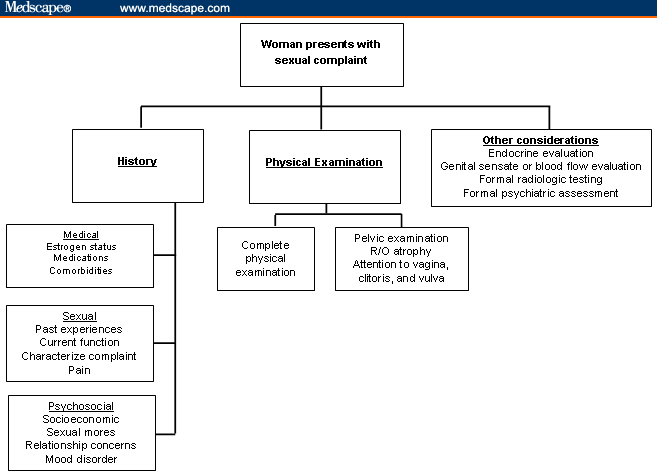
The mainstay of sexual medicine evaluation includes a comprehensive detailed medical and psychosexual history combined with a detailed physical -- and possibly pelvic -- examination. Often, laboratory assessment of hormonal levels and other advanced assessment techniques can help the clinician discern the differential diagnosis. See Figure 1.

Figure 1: The female patient: evaluation.
(Click to enlarge)
Figure 1. The female patient: evaluation. Adapted from Krychman ML. Female sexual dysfunction. Female Patient. 2007;32:47-48.

History

A detailed history is critical for correct assessment of female sexual complaints. Characterizing the complaint in the patient's own words is often helpful; the clinician can facilitate this process by being an active listener. Discerning the timeframe of the complaint is essential:

  • Has it been a lifelong problem or is it acquired?
  • Is it present in all situations or in selected relationships?
  • Can the patient attribute a certain event to the onset of the complaint?

It is also essential to review the gynecologic, menstrual, and obstetrical history; obtain a list of medications, including herbs and over-the-counter supplements; determine prior surgeries; and assess ongoing chronic medical illnesses, including their timeline and treatments. Psychosocial, marital, and psychiatric histories are also required.

Past medical history, current health status of the patient and her partner, and an evaluation of the neurologic and endocrinologic systems can be helpful. Life stressors, including financial pressures, employment, and social responsibilities, need to be identified, as these can affect interest in sexuality.

An attempt should be made to assess symptoms, especially if sexual pain or vaginal dryness is occurring. These symptoms can be complex and often involve both urinary concerns (frequency, urgency, incontinence, and recurrent urinary tract infections) as well as vaginal complaints (dryness, painful intercourse, bleeding or spotting, itchiness, pain, pressure, or foul-smelling discharge).[2,3]

Psychological symptoms related to sexual intimacy or desire, including stress, anxiety, or depression, should be assessed. To complete the detailed and comprehensive evaluation, questions regarding domestic abuse and substance use or abuse must also be addressed.

The partner can also be an important source of information; many experts therefore advocate having the partner present at some point during the history. Patients often will display serial disclosure to their healthcare provider on consecutive office visits; confidentiality, continuity, and maintenance of a positive as well as safe therapeutic alliance between healthcare provider and patient are critical to successful outcomes.

Sometimes, structured formalized interview scales and checklists can be incorporated into the work-up for sexual complaints. Some of the more popular screening and assessment tools include the Female Sexual Function Index (FSFI)[4] and the Brief Sexual Symptom Checklist.[5] These questionnaires can often be mailed to patients in advance or completed in the waiting room. Some of these are available on Web sites.

Physical Examination

A complete physical examination should be performed in order to assess general health and rule out possible chronic diseases that may affect the sexual response cycle. A thorough genitopelvic examination is paramount to rule out underlying pathology and to assess, as well as differentiate, urogenital atrophic changes. Atrophy is a chronic, progressive medical condition associated with tissue and organ deterioration; a primary symptom is dryness.[2]

Urogenital atrophy contributes to atrophic vaginitis. Careful inspection can demonstrate a pale, smooth, thinned epithelium which is extremely friable. It may even bleed on light touch. The vagina may be dry without lubrication, and may be pale, often containing petechiae.[2] The vaginal mucosa may be flat and blanched instead of exhibiting the more usual lush pinkish color with associated rugae, ridges, and folds. The vaginal tissue will have decreased pliability, elasticity, and stretchability.

In patients with pelvic organ prolapses, there may be an associated or patient-perceived loss of vaginal size. Other signs that may help pinpoint diagnosis are lacking or sparse pubic hair of the external genitalia, introital stenosis, and fusion or obliteration of the labia minora or majora. Evaluation of vaginal depth and rectal surfaces can be helpful. Palpation of the vaginal walls can identify points of deep and superficial muscular or pelvic pain that may require specific physical therapy or trigger-point evaluation.

The clitoris, clitoral hood, and surrounding structures warrant a comprehensive evaluation; shrinkage of the clitoral anatomy and introital stenosis are always concerning to the female patient and may signal a hypoestrogenic state.

Clinical examination according to Pandit and Ouslander[6] consists of examination of the urogenital tissues for signs of atrophy and should include a simple acid/base test with pH paper to assess the vaginal environment. The pH would typically be elevated in those who suffer from vaginitis. Vaginal cytology can also be used as an adjunct for diagnostic purposes. It is prudent to rule out candidiasis, bacterial vaginitis, and trichomoniasis as well as other sexually transmitted diseases that can interfere with normal vaginal flora. A quick and simple office-based wet mount and whiff test can be performed to exclude any underlying or compounding infectious etiology.

Laboratory Evaluation

Occasionally, a comprehensive analysis of hormonal profiles and a sexual health bloodwork panel are warranted as part of the dynamic work-up. Some labs that may be done include:

  • Complete blood count (CBC) to rule out underlying anemia;
  • Thyroid-stimulating hormone;
  • Prolactin;
  • Adrenal precursors such as dehydroepiandrosterone (DHEA) and dehydroepiandrosterone sulfate (DHEAS);
  • Sex steroids such as estrone, estradiol, progesterone, testosterone panel (includes free testosterone and sex hormone binding globulin);
  • Cholesterol panel; and
  • Liver function tests.

Some of the testing should be done after a brief fast while other tests need to be performed during specified times of the menstrual cycle to avoid cycle and diurnal variation. The utility of many of the laboratory tests increasingly has come into question as there is concern regarding reliability and normative values for women across the life cycle.

A pelvic or transvaginal sonogram may be warranted to assess pelvic anatomy and rule out underlying structural pathology. Advanced sexual health assessment tools that may be used by sexual medicine specialists include:

  • Vulvoscopy -- examination of the vulvar and surrounding structures to rule out underlying vulvar pathology;
  • Vaginal photoplethysmography -- objective measurement of genital blood flow;
  • Functional magnetic resonance imaging -- used primarily in research settings;
  • Biothesiometry -- assessment of neurological pelvic status; and
  • Perineometry -- assessment of pelvic floor musculature.

Treatment: Multidisciplinary Approach

The management of female sexual dysfunction is a complex process that requires addressing underlying medical issues coupled with treatment of psychological or psychosexual barriers. Often, several healthcare providers are involved in the dynamic treatment process for a given individual; the primary provider should have access to many specialists within his or her community. See Figure 2.

Figure 2: Treatment algorithm.
Figure 2. Treatment algorithm. Adapted from Krychman ML. Female sexual dysfunction. Female Patient. 2007;32:47-48.

Internal Medicine and Pharmacology

Chronic systemic illnesses, such as hypertension, hypercholesterolemia, and/or an underlying thyroid dysfunction, can be contributing factors in sexual dysfunction. Treatment of these conditions accordingly can alleviate sexual problems. Consultation with the patient's primary care provider can be very helpful. As described in the history section, careful identification of medications is also essential; antidepressants and antihypertensive medications can have effects on sexual desire, arousal, and orgasm. Occasionally, medication regimens can be modified by altering dosing and/or time intervals or specific drug classes to decrease sexual side effects. The referral to a psychopharmacologist may be necessary.

Behavioral and Lifestyle Modifications

Behavioral and lifestyle modifications can improve overall quality of life and sexual function. A well-balanced diet, active exercise regime, discontinuation of tobacco use, and minimizing alcohol consumption should all be encouraged. Structured sexual tasks, such as the following, should also be encouraged:

  • Sensate focusing;
  • Squeeze-stop techniques;
  • Guided imagery and other relaxation techniques; and
  • Exploration of sexual fantasies.

Fatigue and poor sleep patterns may hinder sexual connectedness. The prescription should be for frequent naps or rest and instruction to plan sexual intimacy when well rested and fatigue is at a minimum.

Education concerning alternate forms of sexual expression, such as mutual massage; intimate fondling and caressing; or manual, digital, or oral stimulation should also be introduced to the couple to allow for sexual exploration and enhanced sexual communication. Innovative sexual techniques or positions may help the couple reduce sexual boredom as well. Patients and their partners should be encouraged to experiment as they are comfortable with alternative sexual positions. Side-to-side or female superior position may help limit deep pelvic thrusting, which can minimize vaginal discomfort for atrophic women. It also allows for direct clitoral stimulation, which many women find pleasurable.

A comprehensive sexual health program should also encourage techniques such as warm soaks to help decrease muscle tension and extensive physical therapy to help relax tense muscles.

Guided imagery, quiet meditation, deep-muscle relaxation, and avoidance of lethargy are options that can be explored as well.

Pain Management

In patients for whom pain is an element of sexual dysfunction, consultation with pain management specialists is essential. These specialists can help in adjusting opioid regimens, adding adjunctive analgesics, and modifying dosing schedules to decrease fatigue and lethargy while maintaining adequate pain relief.

Patient Education

The education of patients concerning normal genital anatomy and how the disease or therapeutic procedures have affected sexual anatomical functioning is important. The use of a handheld mirror during the pelvic examination can help the patient identify her own anatomical structures. Discussion concerning the Gräfenberg spot (G spot); clitoral, vaginal, and uterine orgasms; and dispelling some long-held sexual myths is also important. Take-home items such as pamphlets, books, videos, DVDs, and other visual aids can provide reinforcement and future reference for the patient and her partner.

There are many important books on sexual exploration, and a comprehensive list of books both for erotic reading and self-education can be helpful. The American Cancer Society's booklet entitled Sexuality for Women and Their Partners[7] is an excellent patient reference guide for the patient who has sexual complaints as a result of her cancer diagnosis or treatment. Information concerning sexual devices and accessories can also be given to the patient. Sexual accessories such as self-stimulators can be encouraged as part of the sexual health treatment plan. Legitimate Web sites and Internet links should also be recommended to the patient as part of her comprehensive sexual education program. Sexual health organizations such as the International Society for the Study of Women's Sexual Health, the Women's Sexual Health Foundation, and the Alexander Foundation for Women's Health are only a few of many excellent resources. (See "Resources" at the end of this article.)

Sexual Therapy

Certified sexual therapists are trained to deal with patients who have:

  • Intimacy or sexual concerns;
  • Associated body image issues; and
  • Changes in sexual self-esteem.

Patients should be offered cognitive-behavioral therapy; brief intervention therapy; or marital, individual, couples, or group therapy by a trained therapist who deals with sexual issues.

Menopause

The following lifestyle changes can help manage troublesome hot flashes for menopausal women[8]:

  • Avoidance of spicy food;
  • Decreasing caffeine;
  • Alcohol moderation;
  • Lowering thermostat;
  • Rhythmic breathing; and
  • Acupuncture.

Some nonestrogen medications (serotonin reuptake inhibitors, clonidine patch, megestrol acetate) can be used to help reduce hot flashes when systemic estrogen is contraindicated or declined by patients.

Lubrication

Nonmedicated, nonhormonal vaginal moisturizers and lubricants may be useful for women who experience vaginal dryness and painful intercourse, especially women who decline or are not candidates for minimally absorbed local vaginal hormones. Vitamin E gel capsules can be punctured with a pin and then inserted into the vagina.[9] Another method is to instruct the patient to empty the capsule's contents onto her finger and gently insert it circumferentially within the vagina.

An over-the-counter polycarbophil-based vaginal moisturizing gel (Replens; Lil' Drug Store Products; Cedar Rapids, Iowa) can be used for the treatment of vaginal atrophy. When applied to the vaginal epithelium, it produces a moist film over the vaginal tissue which remains attached to the epithelial surface, providing lubrication. Replens has also been shown to restore vaginal pH measurements to premenopausal values.[10]

The healthcare provider should also caution patients to read the labeled ingredients of the moisturizers. Women with severe vaginal atrophy should avoid additives in lubricants such as colors, flavors, spermicidal agents, bactericides, or warming ingredients, as these may irritate the vaginal lining.[11]

Vaginal lubricants are typically used during sexual intercourse, and many people who use them find that they enhance sexual intimacy. A good lubricant should be water-based and compatible with rubber products like diaphragms or condoms. Lubricants should be easy to apply within the vagina. They can typically be purchased in the pharmacy, grocery store, or online. When using lubricants, it is suggested to have a small hand towel close by for easy clean-up. Many lubricants require reapplication during intercourse, so patients should be advised to keep the bottle handy for reapplication. Petroleum-based products such as mineral oil, petroleum jelly, and edible oils should be avoided within the vaginal vault; they can interfere with helpful vaginal bacteria, can disrupt the bacterial balance, and have also been known to weaken condoms.

Sexual Devices

Sexual devices such as vaginal dilators or self-stimulators are helpful when vaginal shortening or narrowing has occurred. Scar tissue can impede penetration, causing dyspareunia. Vaginal dilators with lubricants can help lengthen and widen the vagina and loosen the scar tissue that may contribute to tenderness and distress associated with vaginal intercourse. Ongoing supportive physical therapy is essential, and often behavioral therapy can be influential for continued compliance.

The Eros (UroMetrics; St. Paul, Minnesota) clitoral stimulator has been prescribed for patients who have had cervical cancer and for some with intravaginal radiation. Others who have used the device with success include those with other pelvic cancers, such as rectal and vaginal cancers. The Eros stimulator is the only device currently approved by US Food and Drug Administration (FDA) for the treatment of female sexual complaints. It is a battery-operated device with a suction cup that fits around the clitoris and facilitates engorgement. The device is expensive, but if the diagnosis is clearly documented in the patient's chart, insurance will often cover the cost.

Pharmacotherapy: Estrogen

Sexual pharmacology remains the mainstay of treatment for many female sexual complaints. A number of healthcare providers advocate systemic hormonal therapy with estrogen, progesterone (if the woman has a uterus to prevent endometrial hyperplasia), and varying degrees of supplemental testosterone. The discussion of hormonal therapy is beyond the scope of this article and the reader is referred to the North American Menopause Society or the American College of Obstetricians and Gynecologists for further product selection and specific choice details. The Women's Health Initiative (WHI) results sparked much controversy and have had an impact on patient perception of hormonal therapy and physician prescribing patterns.[12,13] Many women are fearful of systemic estrogen therapy because of the increased risk for breast cancer and cardiovascular effects; many are opting for minimally absorbed local estrogenic therapies that can effectively treat vaginal complaints.

In 2003, the FDA stated that local estrogen therapy should be used for the treatment of moderate-to-severe symptoms of vulvar and vaginal atrophy.[14] There have been some concerns over long-term safety with hormonal therapy in light of the WHI studies, and many patients and healthcare providers are now exercising caution before prescribing hormones. A risk-benefit analysis is often undertaken with the participation of the patient and is documented in the patient chart. Each patient must assess the personal risk of hormones vs the benefits.

Local vaginal hormones come in a variety of different application methods. Creams, rings, and tablets are the most common types of minimally absorbed vaginal estrogen products that are presently available.[15] See the Table for their dosing schedules.

Table. Vaginal Estrogen Therapy

Cream 17 beta-estradiol (Estrace; Warner Chilcott; Rockaway, New Jersey) Initial 2-4 g/day for 1-2 weeks, then 1-2 g/day for 1-2 weeks Maintenance: 1 g/day 1-3 times/week
Conjugated estrogens (Premarin; Wyeth; Philadelphia, Pennsylvania) 0.5-2 g/day
Ring 17 beta-estradiol (Estring; Pfizer; New York, NY; Femring; Warner Chilcott) Release rate 7.5 micrograms/day for 90 days Total device contains 2 mg
Vaginal tablet 17 beta-estradiol (Vagifem; Novo Nordisk; Princeton, New Jersey) Initial: 1 tablet/day for 2 weeks Maintenance: 1 tablet 2 times/week
Adapted from: Pinkerton J. Vaginal estrogen therapy: The question of systemic absorption. Female Patient. 2006;31:24-26.

Vaginal creams. Vaginal creams contain either conjugated estrogens or estradiol and are typically applied to both the interior of the vagina and exterior of the vulvar vault with an applicator that can be refilled and reused. Patients self-administer the quantity, and some women find creams especially soothing to the pelvic region. Others may find them messy because the cream may leak and drip.

Vaginal ring. The 17 beta-estradiol-releasing vaginal silicone-plastic ring is a minimally absorbed vaginal ring that is placed within the vault every 3 months. The vaginal ring is typically inserted by the healthcare professional in an office setting to ensure that the ring is placed in the upper third of the vaginal vault. The patient can reinsert the ring on a 3-month basis or if it is expelled for any reason. The 2.0-mg dose of estradiol is released over a 3-month period. Some women find this product extremely helpful because they do not have to remember to use it on a daily basis. Others, however, find it uncomfortable, and some partners have even complained of feeling the ring during sexual intercourse. Vaginal erosions or abrasions have been associated with the vaginal ring which may also be expelled during urination, defecation, or intercourse. Some women report an increase in vaginal discharge while using the ring.

Vaginal tablets. Minimally absorbed vaginal tablets (17 beta-estradiol) are another option for local vaginal estrogen therapy. The tablets are contained in a prefilled plastic applicator which is disposable and biodegradable. These tablets, which patients self-administer twice a week, are well tolerated and not associated with increased incidence of endometrial hyperplasia.[16] Advantages of this system are that it is inconspicuous, convenient to use, and does not cause a mess. A study of this system by Suckling and coworkers[17] demonstrated success rates in excess of 85% of women treated.

Pharmacotherapy: Androgens

One common but still controversial treatment for female sexual dysfunction is androgen therapy. Oral esterified estrogen with methyl-testosterone has been used in the field of sexual medicine extensively since the 1970s but it has yet to win FDA approval for the treatment of desire issues.[18] The testosterone transdermal patch was recently approved for hypoactive sexual desire disorder (HSDD) in Europe, but there is no approved medication in the United States. The long-term safety and efficacy of androgen therapy has not yet been established, but there is increasing evidence that testosterone therapy has beneficial effects on libido, mood, and bone mineral density.[19-21]

One long-term safety issue is a concern that the testosterone can be aromatized to estrogen, which may reactivate or promote breast cancer cell tumor growth.

Alexander and colleagues[22] published an excellent review of the available medical data of testosterone and libido in surgically and naturally menopausal women. The review systematically examined evidence from randomized controlled trials (RCTs) and reported that there seems to be value in giving testosterone to estrogen-replete menopausal women with desire concerns. Kinsberg[23] discussed the INTIMATE (Investigation of Natural Testosterone in Menopausal women Also Taking Estrogen) studies, which demonstrated that transdermal testosterone is a safe and effective treatment with minimal side effects for HSDD. The new testosterone transdermal matrix patch Intrinsa (Procter & Gamble; Cincinnati, Ohio) is a promising treatment for low libido; however, further RCTs and safety data are warranted before considering use in patients with this problem.

Other agents in differing clinical stages of development include:

Flibanserin. This is a 5H1-agonist/2A antagonist manufactured by Boehringer Ingelheim for the treatment of HSDD. This agent is believed to be well tolerated and is associated with minimal side effects, including nausea, dizziness, fatigue and somnolence, and increased bleeding when taken along with nonsteroidal anti-inflammatory drugs or aspirin. Phase 3 clinical trials are presently under way.

Alprostadil. This is a naturally occurring potent vasodilator that has an important role in the regulation of blood flow to the female reproductive tract. Local application may increase vaginal blood flow and sensation, leading to increased sexual arousal. Several trials are under way.

Alpha-melanocyte-stimulating hormone (MSH) analog: PT-141: bremelanotide. This agent is administered as an intranasal spray. It is in development for the treatment of female sexual dysfunction.

Tibolone. This agent, which is currently unavailable in the United States, is thought to reduce hot flashes, increase bone mineral density, and have a positive effect on vaginal dryness. It may also improve desire but not sexual function. Studies of the impact of tibolone on lipid metabolism and hemostasis are inconclusive, and long-term effects remain unknown.

Nonmedical Pharmacotherapy: Over-the-Counter Supplements

In addition to the agents mentioned above, many nonpharmacologic therapies are being marketed directly to the consumer as sexual health enhancers. Besides having worrisome and potentially detrimental side effects, very few of these supplements have been shown in randomized trials to have any clinical effect on sexual dysfunction. Some patients may experiment with foods that are traditionally thought to enhance sexuality, such as chocolate, ginseng, oysters, and black cohosh. Although these foods are unlikely to cause adverse events, their efficacy has not been established in controlled studies. Various combination over-the-counter alternatives are also popular but have not been properly studied.

DHEA. Another popular alternative substance, DHEA, has limited RCT data.[24] According to one placebo-controlled trial, raising levels of DHEA via supplementation improved frequency of sexual thoughts, sexual interest, and sexual satisfaction. DHEA has been shown to increase androgens, decrease high-density lipoprotein, and decrease sex hormone binding globulin. However, high levels of DHEA have been correlated with increased risk for cardiovascular disease in women.

Consultants: Multidisciplinary Management

Consultants are a critical element in the comprehensive multidimensional management of the female sexual health patient. Some of the many healthcare providers included in the dynamic may be:

  • Physical therapists trained in pelvic and genital rehabilitation;
  • Surgeons;
  • Medical oncologists;
  • Social services providers;
  • Nutritionists;
  • Exercise therapists; and
  • Psychological and psychiatry support staff.

A list of clinicians and ancillary staff who are sensitive to sexual issues should be readily available for patients who take part in sexual health programs.

Follow-up and Maintenance

Routine follow-up of patients on local estrogen vaginal therapy and hormones is warranted to ensure efficacy and correct dosing of prescribed treatment. Ongoing evaluation and management is appropriate to assess for resolution of distressing symptoms. For those on androgen therapy, careful surveillance is advocated along with repeat bloodwork done at intervals to monitor for side effects

The diagnosis and treatment of female sexual complaints is a complex, multimodal medical psychological health concern which warrants assessment and comprehensive therapeutic modalities to achieve success and resolve complaints.

New Developments in Long-Acting Injectable Antipsychotic Drugs

New Developments in Long-Acting Injectable Antipsychotic Drugs: An Expert Interview With Peter J. Weiden, MD

Posted 06/12/2008

Peter J. Weiden, MD
Author Information

Editor's Note

Second-generation antipsychotic drugs are widely used for treatment of psychotic disorders, but only risperidone comes in a depot formulation. Depot medications are an important component of the psychiatric pharmacopoeia because of the high rate of treatment nonadherence in patients with chronic mental illness, and more options may soon become available. To learn about research in this field, Medscape's Randall F. White, MD, spoke to Peter J. Weiden, MD, professor of psychiatry at the University of Illinois at Chicago.

Medscape: What is your view of the role of long-acting injectable medications in psychiatry?

Dr. Weiden: This will be one of the next big developments in the coming 5 to 10 years. A key message that I came away with from this year's meeting of the American Psychiatric Association (APA) is that a lot of research is taking place with the second-generation antipsychotics (SGAs), especially with long-acting preparations. In the next few years, we're going to be hearing and learning a lot more about options among the long-acting SGAs.

Medscape: Injectable risperidone microspheres are now commonly used for treating chronic schizophrenia. What new research with this SGA for this indication did you encounter at the recent APA annual meeting?

Dr. Weiden: Several longitudinal observational trials are underway in Europe with patients with schizophrenia receiving risperidone microspheres. By the way, in Europe, risperidone microspheres are available at a dose of 75 mg as well as in doses of 12.5, 25, and 50 mg, which are available in the United States. Having said that, practice in Europe is similar to practice in North America.

A research poster presented data on the effectiveness of switching people with schizophrenia to long-acting risperidone microspheres early in their illness.[1] They were not quite first-episode patients, but they were not chronic patients. The investigators found that the injectable agent was acceptable by this patient population, and the relapse rate at 6 months was 28%, which is good for such patients.

Medscape: How many subjects were in the study?

Dr. Weiden: This is an interim report of a continuing multicenter trial in Belgium. The researchers reported on 61 subjects who had been followed for up to 6 months. The mean subject age was 31.7 years, and enrollment criteria included a documented history of fewer than 4 psychotic episodes.

Long-acting preparations have tended to be reserved for patients late in their course of illness, when they become treatment resistant. The importance of this trial with long-acting risperidone, and I think this can be generalized to any long-acting SGA, is that it is acceptable to administer early in the course of illness. It provides the efficacy, relapse prevention, and improvement in symptoms over time that you see with other antipsychotics.

The problem in this study is the lack of a group treated with a comparator. The reader is left to guess, but based on my knowledge of how early episode patients respond, it looks like the response we would expect from an effective antipsychotic. I think, however, that the take-home message is more about acceptability of the depot medication in this population than about efficacy per se.

Medscape: Does any research examine the application of risperidone microspheres in other disorders?

Dr. Weiden: Yes. In a small open-label study from Barcelona, Spain, long-acting risperidone was given as adjunctive treatment to 14 patients with bipolar disorder and 8 with schizoaffective disorder.[2] Adding long-acting risperidone reduced symptoms.

Another study looked at adjunctive risperidone microspheres for treatment-refractory bipolar disorder.[3] Although this application is off-label, it is consistent with an application to the US Food and Drug Administration (FDA) submitted in April 2008 for approval of long-acting risperidone as adjunctive treatment for highly relapsing bipolar disorder.

Medscape: Paliperidone is available as an oral antipsychotic, and phase 3 trials are underway for an injectable depot formulation. Can you mention the research presented on this medication?

Dr. Weiden: Yes, I would like to discuss 2 studies. One was a 9-week placebo-controlled study with different doses of a long-acting version of paliperidone compared with placebo.[4] The investigators initiated treatment with an oral run-in of paliperidone for 1 week, and then used what they called a 50-mg-equivalent monthly injection or a 100-mg-equivalent monthly injection. This is a pivotal trial.

Medscape: So the data will be submitted to the FDA?

Dr. Weiden: I would presume so. The Positive and Negative Syndrome Scale (PANSS) total and factor scores improved from baseline to endpoint significantly more than with placebo.

Medscape: I'm not sure I understand the concept of 50-mg and 100-mg equivalents.

Dr. Weiden: There is actually more paliperidone than 50 mg or 100 mg in the injectable palmitate formulation, but those are the researchers' estimated doses because of variable bioavailability. The bottom line is that the medication is effective, but the dose ranges still need to be better understood or at least explained.

Medscape: Yet in the course of a chronic illness, 9 weeks isn't that long.

Dr. Weiden: Yes. In another study, 849 patients were randomized to flexible dosing by a clinician.[5] They received either 25-mg, 50-mg, or 100-mg equivalents for 9 weeks. Following this, they received a fixed dose for 12 weeks, and then the 410 subjects who remained in the study entered a maintenance phase, in which they were randomized to placebo or active treatment for 24 weeks.

This study was a hybrid of dose-finding and relapse prevention. And it appears that paliperidone palmitate will be an effective medication in terms of relapse prevention; it separated out from placebo quite quickly.

One can argue about whether risperidone or paliperidone is better, given that paliperidone is a metabolite of risperidone. Let's just bypass that argument and ask the question, what are the potential advantages of paliperidone palmitate over risperidone microspheres? I can think of 2. One is that paliperidone palmitate is administered every 4 weeks, whereas risperidone microspheres are administered every 2 weeks. The second is that paliperidone palmitate will not need refrigeration, so it will be convenient for the clinician to store on site.

I'd like to mention that some pharmacokinetic studies were presented that examined whether long-acting paliperidone and risperidone can be injected into the deltoid muscle.[6] It's presently an off-label use of risperidone microspheres, but it appears that the pharmacokinetics might permit deltoid injection. I nevertheless wouldn't recommend it to clinicians at this time.

Medscape: Iloperidone is a new antipsychotic agent that is undergoing review by the FDA. Can you briefly describe its mechanism of action or its pharmacology?

Dr. Weiden: Iloperidone is a mixed dopamine D2, serotonin 5-HT2A antagonist, a member of what I call the "-done" family, including risperidone and ziprasidone. It's still a different antipsychotic from those; it has a high affinity for 5-HT2A and adrenergic alpha-1 receptors and low affinity for serotonin 5-HT1A, dopamine D-1, and histamine receptors.[7]

Iloperidone had an active phase 3 clinical trial program in the late 90s when it was owned by Novartis. It is now owned by Vanda, which has done another phase 3 pivotal trial comparing iloperidone with placebo and, as an active comparator, with ziprasidone.[8] The data are under review by the FDA, and the drug may be approved as early as this summer or fall.

Medscape: Would you comment on research on the long-acting form of this agent?

Dr. Weiden: The interesting fact is that a long-acting version of the medication has been developed, which is unusual for an antipsychotic before its initial FDA approval. A microsphere formulation was tested for safety and pharmacokinetics during 2000 to 2002. If the oral version gains FDA approval, it would not take much time to proceed with phase 3 trials for the injection. A long-acting injectable form of iloperidone may be available within the near term.

In the open-label trial presented at the APA conference that was based on data from 2002, 64 subjects received oral iloperidone for 21 days; 20 received placebo.[9] The patients then received at least 2 cycles of injections every 28 days. The depot formulation appeared safe and well tolerated.

If approved, iloperidone will have the advantage of being a 4-week medication. It would clearly need to go through extensive phase 3 testing, but having it already in a depot formulation with some safety data is very promising because that tends to be the Achilles heel of this development process. Many antipsychotic agents aren't amenable to depot formulation. The difficulty of this process is illustrated by long-acting olanzapine, which was recently dis-approved by the FDA because it caused intense sedation.

In my view, the big news is that at least 2 long-acting SGAs that can be given in 28-day cycles are in testing and may be clinically available in the next few years.

Medscape: My final question is, do you find that any generational disparities exist in the use of injectable antipsychotics?

Dr. Weiden: I think this should be a wake-up call for all of us because when long-acting injections became available in the 60s, they were underused, at least in the United States. It took many years to train clinicians to use these agents.

Medscape: You're talking about fluphenazine decanoate.

Dr. Weiden: I'm talking about the first-generation depot medications, yes. Long-acting SGAs have the advantage of causing less extrapyramidal symptoms -- and we can debate whether they're better drugs. I think they are -- and of a depot formulation, which can help prevent nonadherence among patients who are cognitively impaired or who lack insight.

These advantages will be reversed, to an extent, by doctors who lack the skill to use them, because it's junior physicians who work in community mental health clinics. Depot medications have not been as much a part of their training as it would have been 20 years ago.

Clinicians will need to understand the indications for these agents and the techniques used to start treatment with them, dose them, and inject them. What I learned at this APA meeting is that the time for teaching these skills is now.

Treating Insomnia in Patients With Psychiatric Comorbidities

Treating Insomnia in Patients With Psychiatric Comorbidities: A Case Study Ruth M. Benca, MD, PhD Presentation The patient is a 21-year-old woman who comes to your office to establish medical care and reports a 3-year history of worsening insomnia. She has a history of hypothyroidism, depression and obsessive-compulsive disorder (OCD). She reports that she has particular difficulty falling asleep at night, sometimes lying awake until as late as 5:00 AM. She also complains of fragmented sleep, with frequent arousals and difficulty returning to sleep at times. Some nights, she claims she is not able to sleep at all. On further questioning, however, she admits that she can also have days where she may sleep up to as many as 16 hours, usually after extended periods of severe insomnia that last several days. Regardless of how much she sleeps, however, she finds her sleep to be nonrestorative and feels fatigued during the day. What is most troubling to her right now is that she has been unable to finish college or get a job because of her insomnia and erratic sleep pattern. Current medications include levothyroxine 50 micrograms (mcg) daily, aripiprazole 10 mg at bedtime and clomipramine 100 mg twice daily. She is noted to be morbidly obese (weight 284 pounds, height 62.5 inches, body mass index 51.1), but her physical examination is otherwise normal. Her mental status examination shows her to be alert, with no significant mood disturbance. She is somewhat anxious and concerned about her sleep problem, but otherwise not severely anxious. The mental status examination is otherwise normal. Articolul se gaseste la adresa : http://www.medscape.com/viewprogram/14875?src=nlcmealert&spon=12&uac=94998SN

Advances in the Early Detection and Prevention of Schizophrenia

More: Medscape Perspectives on the American Psychiatric Association (APA) 161st Annual Meeting

Advances in the Early Detection and Prevention of Schizophrenia  CME

Michael T. Compton, MD, MPH   Disclosures

A number of sessions at the annual meeting featured presentations pertaining to the early detection and intervention paradigm for psychotic disorders and research findings were discussed from around the world that may inform future prevention approaches. While the primary prevention of schizophrenia on a population level may remain a somewhat distant goal, early detection and intervention strategies are promising in terms of the secondary prevention of schizophrenia and related psychotic disorders.

In an industry-sponsored symposium entitled "Treating Patients Early: Updates on the Controversy," [1] Patrick D. McGorry, MD, PhD, Professor of Youth Mental Health at the University of Melbourne and Director of ORYGEN Youth Health and the ORYGEN Research Centre in Victoria, Australia, spoke on "The 'Prodromal' or Ultra-high Risk Stage of Schizophrenia and Related Psychoses: A Window for Understanding and Intervention." Dr. McGorry noted that interest in this area was stimulated in part by the 1994 Institute of Medicine (IOM) report entitled "Reducing Risks for Mental Disorders: Frontiers for Preventive Intervention Research."[2] Dr. McGorry stated that the "entrenched level of disability" often associated with schizophrenia (eg, social withdrawal, dropping out of school, substance use, and other social collateral damage) often occurs prior to the initial psychotic episode, during the prodromal period. However, a significant portion of patients who have the same clinical phenotype as the prodrome do not go on to develop a psychotic illness. Symptoms may resolve or patients may develop another illness, such as major depression. Thus, for researchers attempting to identify potentially prodromal adolescents and young adults for prospective research, these individuals would be considered false positives.[1] Dr. McGorry also described a "false false positive" concept in which patients receive treatment or other protective factors during the prodrome that avert a psychotic episode, thus creating the appearance that the patient had been false positive for the prodrome, but actually the illness had been delayed or prevented.[1] Also of relevance, Dr. McGorry noted, is the recent work suggesting that the phenotype of psychotic symptoms extends to subclinical features in the general population. For example, the work of Dr. Jim van Os in the Netherlands has shown that up to nearly 20% of individuals in the general population endorse some level of minor psychotic experiences.[3-5]

The ultra-high risk or "prodromal" state is an undifferentiated mix of clinical features, which may include subthreshold or even intermittent suprathreshold psychotic symptoms. Dr. McGorry and his collaborators, particularly Alison R. Yung, MD, Medical Director of the Personal Assessment and Crisis Evaluation (PACE) Program in Melbourne[6], defined 3 types of syndromes to more fully classify the ultra-high-risk state.[7,8] A number of prodromal research programs around the world have demonstrated that the criteria for these 3 syndromal states predict conversion to psychosis in approximately 20% to 50% of individuals meeting the research criteria.

Dr. McGorry reviewed a sentinel series of randomized controlled trials that have given preliminary evidence for the possibility of reducing the risk of conversion from the ultra-high risk or prodromal state to frank psychosis. These include studies from Australia,[9] the United Kingdom,[10] North America,[11] and Austria.[12]

"All this adds up to an approach that we call the 'clinical staging model,'" Dr. McGorry stated.[1] That is, less-differentiated, early phases of psychiatric disorders benefit from broad-spectrum, simpler treatments. As clear target syndromes emerge, more specific interventions can be used. Because the evidence is still accumulating, clinical practice guidelines for youth who appear to be in a prodromal state are fairly conservative, and include tenets like engaging in youth-friendly services, carefully monitoring symptoms, and treating comorbidity.[13] Antipsychotics are generally not recommended unless frank psychotic symptoms emerge.

Barbara Cornblatt, PhD, MBA, Professor of Psychiatry at the Albert Einstein College of Medicine and Director of the Recognition and Prevention Program (RAP) at the Zucker Hillside Hospital at Long Island Jewish Health System in New York, spoke about "Differentiating between Prodromal Schizophrenia and Prodromal Bipolar Disorder."[1] The RAP program is designed for adolescents and young adults (aged 12-22 years) at clinical high risk (CHR) for schizophrenia, and more recently, bipolar disorder. In general, CHR is equivalent to the previously described ultra-high risk and "prodromal" states. Dr. Cornblatt noted that the marked increase in interest in these areas over the past decade relates to the fact that such research could lead us to more direct pathways to prevention. She presented her neurodevelopmental model of schizophrenia, which provides the theoretical underpinning for her program and research. In addition to a genetic diathesis, this model proposes a "second hit" during adolescence, such as abnormal cortical pruning, which is also genetically determined.

According to Dr. Cornblatt's model, 4 domains that are most representative of the underlying vulnerability for psychosis include cognitive deficits; affective symptoms, especially depression; social isolation; and school failure, which also relates to inability to function in work after the school years. Two particular areas that appear to predict conversion to psychosis in the RAP program and other North American prodromal research sites are lower verbal learning[14] and social isolation.[15,16]

Evidence suggests that the prodromal phase of bipolar disorder may be similar to the schizophrenia prodrome. At the end of phase 1 of Dr. Cornblatt's RAP program (which ended in 2005), 121 subjects had been assessed who were considered to be prodromal for schizophrenia. Of 31 patients who converted to psychosis, schizophrenia developed in 25 and bipolar disorder developed in 6. When Dr. Cornblatt examined her data to differentiate the bipolar prodrome from the schizophrenia prodrome, she found that the 2 types of prodromal periods looked remarkably similar. Preliminary data suggest that 1 possible risk factor -- impairments in verbal learning -- may be more specific for the schizophrenia prodrome. Other phenotypes (eg, social functioning, school performance) are probably overlapping in the prodromes for the 2 disorders. Dr. Cornblatt's group at Zucker Hillside Hospital is currently looking at abnormalities in circadian rhythm and temperament (eg, cyclothymic-hypersensitive traits) as possible ways to differentiate the prodrome of bipolar disorder from the prodrome of schizophrenia.[1]

A scientific and clinical report session , chaired by Derya Iren Akbihik, MD, PhD, focused on the question "Can Early Symptoms Predict the Course of Schizophrenia?"[17] This line of research is relevant to early detection and intervention for schizophrenia by virtue of improved prediction. Cherise Rosen, PhD, from the Harrow Chicago Follow-up Study spoke about "The Predictive Value of First-Rank Symptoms in Patients with Schizophrenia versus Psychotic Bipolar Mania."[17] Dr. Rosen began with a brief history of conceptualizations of schizophrenia, including descriptions of Emil Kraepelin, Eugen Bleuler, and Kurt Schneider. The latter writer identified 11 first-rank symptoms that were thought to be pathognomonic for schizophrenia, including audible thoughts, delusional perception, "made" feelings, "made" impulses or drives, "made" volitional acts, somatic passivity or an influence playing on the body, thought diffusion or broadcasting, thought insertion or thoughts ascribed to others, thought withdrawal, voices arguing, and voices commenting on one's actions.[18] Dr. Rosen presented a study that evaluated patients at index hospitalization and then at multiple timepoints over the next 25 years. The study addressed the degree to which first-rank symptoms, identified early in the illness, predict course. The sample included 86 hospitalized patients with schizophrenia and 30 with psychotic mania. Dr. Rosen reported that their findings indicate that patients with bipolar disorder do experience first-rank symptoms, although to a lesser extent than is seen in schizophrenia. Thus, first-rank symptoms are not specific to schizophrenia, but appear to be more prevalent and more persistent in schizophrenia. In terms of the impact of first-rank symptoms on recovery, those with first-rank symptoms were less likely to achieve remission.

Also in this scientific and clinical report session, Pirjo Mäki, MD, PhD, senior lecturer in the Department of Psychiatry, University of Oulu, Finland, discussed "Negative Features of Psychosis Precede Onset of Psychosis in a Prospective General Population Sample of Adolescents."[17] In clinical samples, it has become clear that negative symptoms and general symptoms precede psychosis, and may precede the onset of other disorders. This study aimed to identify whether a questionnaire-based psychopathology assessment could predict the onset of psychosis among general population adolescents. The study was based on the 1985-1986 Finnish birth cohort (all births in northern Finland in a 1-year period, which included 9432 births). The Finnish Hospital Discharge Register was used to find later cases of psychotic episodes. Members of the cohort were invited to participate in a field study in 2001-2002 when subjects were 15-16 years old. A 21-item scale measuring prodromal symptoms over the previous 6 months was administered. Two thirds of the cohort participated. Factorial structure of the questionnaire revealed factors of positive symptoms (11 items), negative symptoms (4 items), and general symptoms (5 items). Receiver operator characteristics curve analyses were used to determine cutoff points with the best sensitivity and specificity.

Six-month prevalences of positive features ranged from 6% to 35%. Girls reported more positive features; three-fourths of girls reported at least 1 positive feature, compared to about half of boys. Six-month prevalences of negative features ranged from 2% to 13%. Again, girls reported more negative features; one third of girls and about one fifth of boys reported 1 or more negative features. Six-month prevalences of affective or general features ranged from 9% to 24%. Girls once again reported more general features; more than one half of girls and about one third of boys reported one or more general features. Of the cohort members, 17 received treatment for a first episode of psychosis, and 95 received treatment for a nonpsychotic disorder in 2002-2005. Approximately 77% of those developing psychosis had endorsed 3 or more positive symptoms, compared to only 36% among those with a nonpsychotic disorder and 28% among those with no disorder (the latter 2 proportions were not statistically significantly different from one another). Roughly half (53%) of those developing a psychotic disorder had endorsed at least 2 negative symptoms, compared to 11% among those with a nonpsychotic disorder and 8% among those with no disorder (again, the latter 2 proportions were not statistically significantly different from one another). Nearly two thirds (65%) of those developing psychosis had endorsed at least 3 general symptoms, compared to 25% among those with nonpsychotic disorders and 15% among those with no disorder (in this instance, all 3 comparisons were statistically significant). Thus, prodromal-appearing features of psychosis are prevalent in adolescence, and all 3 symptom domains are associated with the later onset of psychosis. However, these very prevalent "prodromal" symptoms are not very good predictors of such a rare disorder. Risk prediction strategies will require greater refinement through the use of other risk factors and vulnerability indicators to improve the predictive utility of early subclinical, or subthreshold, symptom domains.[17]

In an international symposium on "The Emergence of Subthreshold Psychiatry," chaired by Ahmed Okasha, PhD(Director of the World Health Organization's Center for Training and Research in Mental Health) and Hagop S. Akiskal, MD , Dr. Okasha discussed "The Emergence of Subthreshold Psychiatry."[19] Dr. Okasha began by noting that "subthreshold disorders are recognized by all of you." He stated that subthreshold disorders -- syndromes that do not meet the threshold for formal diagnostic entities -- are associated with suffering, impairment, and disability; yet they are not classified by psychiatry's formal diagnostic systems. As such, subthreshold disorders are marginalized as atypical or "not otherwise specified." Over the past decade, there has been increased interest in subthreshold psychiatric syndromes.[20] However, little is known about the natural history and course of subthreshold conditions. For example, do they tend to be self-limiting, progressive, or persistent? Furthermore, virtually nothing is known about the effects of treatments on subthreshold syndromes. Multiple sources of data suggest that subthreshold conditions exist along a continuum with full syndromic disorders, and across many diagnostic categories. Critics tend to focus on the field of psychiatry extending of the boundaries of what is considered a mental disorder, arguing that this is a medicalization of normal human distress. Dr. Okasha noted that we don't have enough evidence yet to justify pre-onset pharmacologic treatments due to potential risks of side effects, but we do know that subthreshold conditions are in fact associated with impairment and require further research.

Another symposium, entitled "Recent Advances in Prevention Science: Implications for Practice and DSM-V," was chaired by William R. Beardslee, MD of the Judge Baker Children's Center and Harvard University.[21] This symposium was sponsored by the APA Corresponding Committee on Prevention of Mental Disorders and Promotion of Mental Health. In this symposium, Thomas H. McGlashan, MD, Professor of Psychiatry at the Yale University School of Medicine, discussed "Recent Progress in Preventing Schizophrenia." Dr. McGlashan pointed out that the field of schizophrenia research is alive with interest in the clues that early detection and treatment may hold for prevention of this disorder. Studies in this area include those that aim for early detection both after the onset of psychosis (during the first episode) and before the onset of psychosis (during the prodromal period). The former are exemplified by studies aiming to reduce the duration of untreated psychosis (DUP), such as the TIPS project in Norway and Denmark.[22,23] The latter is exemplified by several controlled studies of interventions during the prodrome mentioned above[9-12] and the recent work from the North American Prodrome Longitudinal Study (NAPLS) consortium.[15] In his concluding remarks on clinical implications, Dr. McGlashan stated that "close clinical monitoring, to see if potentially prodromal patients are indeed getting worse, is clinically indicated," even though much more research is needed on potential pharmacologic treatments during the prodromal period.

A symposium sponsored by the National Institute of Mental Health focused on "Advances in Early Detection, Treatment, and Prevention of Psychosis: Findings from the North American Prodrome Longitudinal Study."[24] This symposium that summarized multiple findings from the NAPLS consortium was chaired by Dr. McGlashan, along with Robert K. Heinssen, PhD of the National Institute of Mental Health. Dr. McGlashan opened the session by commenting that the importance of early detection prior to psychosis (during the prodrome) was recognized as early as 1927 by Harry Stack Sullivan, and the research field was launched largely by Drs. Alison Yung and Patrick McGorry in Melbourne, Australia, who defined 3 prodromal syndromes.[7,8] This symposium was comprised of a series of talks. These included: (1) "Predicting Psychosis Onset in Youth at High Clinical Risk: The Effects of Prodromal Symptoms, Neurocognition, and Family History" by Larry J. Seidman, PhD, from the Harvard Medical School and Massachusetts Mental Health Center; (2) "Risk of Mania in Persons at Heightened Clinical Risk of Psychosis" by Diana O. Perkins, MD, MPH, from the University of North Carolina at Chapel Hill; (3) "Cannabis Misuse and Risk for Psychosis in a Prodromal Sample" by Kristin Cadenhead, MD, from the University of California, San Diego; (4) "The Relation of Antipsychotics and SSRIs with Baseline Symptoms and Symptom Progression in Prodromal Subjects" by Elaine F. Walker, PhD, from Emory University; (5) "Psychosocial Treatments for the Psychosis Prodrome" by Jean M. Addington, PhD, from the University of Toronto; and (6) "Should the Psychosis Prodrome Be Included in DSM-V?" by Scott W. Woods, MD, from Yale University. Some findings from the NAPLS group have recently been published.[15]

In summary, the 161st Annual Meeting of the American Psychiatric Association had a number of interesting sessions on advances in the early detection and prevention of schizophrenia. These ranged from discussions of recent research findings on the prodrome of schizophrenia, to presentations on early predictive signs in first-episode psychosis, to provocative sessions on subthreshold psychiatry and incorporating the prodrome of schizophrenia into the DSM-V


Tratament

medicatia psihotropa

Clasificarea lui Delay & Deniker: triada psiholeptice,psihoanaleptice,psihodisleptice.

Psiholeptice:neuroleptice,tranchilizante si hipnotice

  • NEUROLEPTICE
  • plegomazin
  • tioridazin
  • levomepromazin
  • modecat depot
  • fluanxol depot
  • haldol
  • solian
  • eglonil
  • tiapridal
  • piportil
  • neuleptil
  • clopixol
  • orap
  • rispolept
  • leponex
  • zyptrexa
  • seroquel
  • ziprasidon
  • abilify
  • T R A N C H I L I Z A N T E
  • diazepam
  • lexotanil
  • hidroxizin
  • meprobamat
  • rudotel
  • napoton
  • oxazepam
  • truxal
  • lerivon
  • alprazolam
  • grandaxin
  • spitomin
  • tranxene
  • distonocalm
  • tensispes

H I P N O T I C E

  • amital
  • ciclobarbital
  • lauronil
  • extraveral
  • bromoval
  • glutetimid
  • nitrazepam
  • sedistant
  • rohipnol
  • dormicum
  • stilnox
  • imovan
  • rohipnol
  • gerodorm
  • lamictal
  • inhibante:modulatoare : depakin(convulex.orfiril)topiramat,rivotril,gabapentin

Psihoanaleptice

psihotonice:memantin,exelon,ariceptgalantamin,oxibral,redergin,sermion,ticlid,gingobiloba

nevrostenine,actiphos,aslavital,efortex,vitamax,glutarom,lecitina,plavix,preductal,encephbol,

PSIHOSTIMULANTE:cafeina,teina,thiogama,romener,piracetam,cerebrolizin,stricnina ,

meclofenoxatpiritinol,ritalin,betaserc,kalimin,miostin

ANTIDEPRESIVE

amitriptilina

doxepina,

anafranil

coaxil

ludiomil

mianserin

surmontil

prozac

seroxat

zoloft

effectin

remeron

ixel

cipralex

escitalopram

trittico

reboxetin

wellbutrin

fevarin

psihodisleptice

heroina,marihuana,cocaina,trancgilzante,hipnotice ,halucinogene,khat,fumatul,cofeina,

inhalantele

moderatoare,substituente:nalrexona,bupronorfina,metadona

Diagnostic

Evaluarea initiala preterapeutica - faptele de comportament - problema de inerpretat - conversia semiologica sincrona si diacrona - gruparea sindromologica de constiinta si personalitate - incadrarea nozologica - diagnosticul diferential - optiuni terapeutice - reevaluarea rezultatelor - erorile:subestimarile,supraestimarile,falsificarile ne si intentionale - diagnostic dificil - confirmare si infirmare - axele si ierarhia lor - rationamentul si intuitia - planul secund:gestaltul - comorbiditatea - diagnostic principal si secundar - handicapul social - f.o. si prezentarea de caz - corelarea cu discernamintul -- Publicat de către Aurel Romila la PSYCHIATRY , 2/22/2008 07:47:00 AM

Diverse articole

Articol recent din Washington Post, despre pericolul agresivitatii la unii conducatori auto din USA, cu automobile `personalizate`, etichete, embleme cu lozinci,etc,....* *un studiu realizat de cercetattori de la Univ. Colorado, are 2 pagini ( colt dreapta jos `next`),* * Puteti citi in adresa de mai jos; * http://www.washingtonpost.com/wp-dyn/content/article/2008/06/15/AR2008061501963.html?hpid=topnews Fwd: Conduite du bilan neuropsychologique chez l'enfant http://srv-img.masson.fr/mb/200806/mazeau/index.html Carti noi Fwd: Psychopathologie du sujet âgé http://srv-img.masson.fr/mb/200806/ferrey/index.html util Fwd: prezentare stres -!Download!!! ASC :Ramos-Estebaneza C et al. - Vascular cognitive impairment remains an underdiagnosed, yet treatable entity. A brief neuropsychological examination and informant interviews should become standard practice in elderly populations with vascular risk factors. Small-vessel disease is a prevalent condition with a distinct natural history. lucruri confirmate de practica curenta Conclusions This descriptive study of treatment patterns for acute bipolar illness in elderly adults demonstrates primary treatment with mood stabilizers and antipsychotic agents, followed by moderate use of concomitant antidepressants. Valproate is the preferred pharmacologic option, followed closely by lithium. Combination therapy, rather than monotherapy, is the most common modality, though combination choices may vary considerably. We did not find results of treatment selection for older adults to be significantly different from that of younger adults. Nor did we find that use of antipsychotics in elderly bipolar subjects appeared to be at a lesser rate than for younger patients, despite black box warnings for use in elderly, demented patients. Finally, we found treatment response rates similar to that expected in younger adults, but that treatment to remission may take a year or more. These results can be used to understand the current clinical standard of care in older adults, as well as guide future research in quality improvement and prescription guidelines.

Psihopatologie


Psihiatria este dignostic si tratament.
Dignosticul este pozitiv si diferential.
Diagnosticul pozitiv este semiologie, sindromologie si nozologie.
Semiologia este a constiintei si a persoanei.
Semiologia constiintei este a cunoasterii, afectivitatii si a activitatii.
Semiologia cunoasterii este tulburarea atentiei, senzatiei, perceptiei, memoriei, gindirii si imaginatiei
Semiologia atentiei este scaderea concentrarii cu crsterea atentiei spontane sau scderea globala ca in confuzie. Cresterea atentiei voluntare in delrul paranoiac sin nevroza obsesivo-fobica. Cresterea atentiei spontane in oligofrenii, manie.
Hipoprosexie, hiperprosexie, disprosexie. Fara atentie nu e nici constiinta ,nici personalitate. Compune fiecare sindrom de constiinta si personalitate si are ceva specific in fiecare boala. Conditioneaza senzatia, perceptia, memoria, gindirea si imaginatia. Conditioneaza egoul, aptitudinile, focuseaza temperamentul si caracterul. Exprima vointa si inteligenta, marcheaza raportul intre sex si spirit.
Arata interesul sau frustratea, scade in emotie, creste in sentiment si pasiune, scade in anxietate si depresie scade in dementa si confuzie.

Senzatia cu hipoestezie in confuzie, schizofrenie si hiperstezie in isterie . Cautata de psihopati sexuali, toxicomani, depresivi. Hipestezia neurastenicului. Tb.organelor de simt. Placerea sexuala, mincare, baututra, relaxare, somn. Cenestopatia perceptia clara sau stearsa. Deformata de iluzii simple sau complexe, de persoana (cu delir) Sindromul Capgras si Sindrmul Fregoli.
Halucinatia multisenzoriala, pseudohalucinatia adevarata, halucinoza adevarata si falsa(Wernicke). Halucinatia exprimata e in delir si activitate de aparare sau atac fantastica. Halucinatia vizuala in Delirium si parafrenii si Halucinatia auditiva in Schizofrenie si simulare.

Memoria de fixare recenta scazuta in Korsacov,detriorare si oligofrenii si de evocare antero-retrograda in confuzie si dementa. Hipermnezia tematica a paranoiacului si mecanica a oligofrenului. Memoria instrumenta AAA in boala Alzheimer.
Paramneziile, anecforia la depresivi, socati, criptomnezia schizofrena sau isterica, deja vu, jamais vu in isterie si epilepsie, confabulatia mnestica, onirica, fantastica in Korsacov, demente, isterie, psihoatia pseudologia fantastica.


Gindirea: putina in oligofrenie si dementa, multa si variabila in manie, multa si tematica in delir, schizofrenie si paranoia. Concreta la copil, abstracta la intelectual si schizofren, lenta in deteriorari, rapida in manie, colorata de afectivitate in psihozele afective, incoerenta in schizofrenia, organizata in paranoia, demonstrativa in isterie.
Idele dominante patologice:obsesive, prevalente si delirante.

Imaginatia: saraca in oligofrenie si demente,bogata la copil si adolescent,artist,isteric,simulant.

AFECTIVITATEA
Hipotimie, hipertimie, paratimie
Emotii pozitive: placere, bucurie, entuziasm, exaltare, exagerare

Emotii negative: anxietate, panica, frica, fobiile, depresia, furia, supararea, enervarea, durerea, impulsivitatea
sentimente pozitive:stima, apreciere, respect, adorare
Sentimente negative:dispret, sfidare
Pasiuni pozitive:iubirea, perseverararea, rezistenta, enduranta, mentenanta, resilienta
Pasiuni negative:patimi, vicii, ura, agresivitatea, distructivitatea, sadismul, brutalitatea, razbunarea
Nevoi pozitive: tendinte de a face bine, dreptate, frumos, atractie, ajutor, avere, marire
Nevoi negative:pedepsire, lovire, omor, suicid
Paratimii: indiferenta, inversiune afectiva, tocirea, indepartarea, apato-abulia, ambivalenta, distomie, instabilitate

E G O
supraevaluare, subevaluare, incoerenta, fara coeziune, dezadaptare
Inteligenta: scazuta, crescuta, pervertita
Vointa: crescuta, scazuta, parabulie
Selful organizat, sarac, regresat, necontrolat, cretor, pattern pervasiv
Comolexul
minciuna, prejudecata, idolii, bias, partinirea, aranjarea, mafiotismul
Conceptie, viziune
Destin, karma, samsara, dao, eternitate
Succes si ratare, renastere, anihilare

Aptitudini: formate, diferentiate, stingace
Caracter: temperament, talent, instincte, valori

S I N D R O M O L O G I E

Sindromologia consttintei
Constiinta elementara (constienta, vigilenta, sensorium)
Constiinta operationala, axiologica
Constiinta morala
Constiinta diminuata: obmuilata, stupor (confuzional, depresiv, negativist, isteric) amentie, coma vigila, coma profunda, decerebrare
Constiinta calitativ tulburata: sindromul confuzional (deliriumonirism, oneiroid, crepuscular) dedublare halucinatorie, s.paranoid, s.schizoid, s.autist, s.interpretativ, s.hipocondric s.depresiv, sindromul anxios, s.obsesiv, s.fobics.astenic, tipul variat, mixt al normalului
s.hipertim, s.impulsiv, s.demonstrativ, s.sistematic-paranoiac, s.parafrenic,
s.nevrotic si s.psihotic

Sindromologia persoanei
S.psihopatic slab sau tare
S.nevrotic: astenic, anxios, depresiv, cenestopat, obsesiv, fobic, conversiv, disociativ
S.psihotic: disociativ, maniacal, depresiv, paranoid, paranoiac, parafren
S.deteriorare, nedezvoltare, demential sindromul amnestic Korsacov

S.reactiv si s.organic acut si cronic

s.astenic, varietatea tipurilor normale, tipul mixt, s.hipertim, s.impulsiv

N o z o l g i a curenta

Psihopatie polimorfa, predominant, cu elemente, decompensata nevrotic sau psihotic
psihopatie organica post traumatica, toxica, de involutie

Neurastenie, nevraza anxioasa, nrvroza anxios depresiva, criza de panica, nevroza fobica, nevroza obsesionala, SSPT, nevroza isterica, conversiva si disociativa, nevroza cenestopata, nevroza hipocondiaca, nevroza pre si postschizofrena

Schizofrenia(stare discordanta, paranoida, catatonica, hebefrenica, simpla, hipocondriaca, pseudoneurastenica
defectuala, rezistenta, complicata neurologic sau metabolic, scizofrenia afectiva
Pihoza afectiva, depresia majora(melancolia)mania, ciclotimia, hipomania
Psihoza interpretatova, pasional revindicativa(paranoia), parafrenia

Psihozele deteriorativ organice:
posttraumatice, cerebrasteniapt ,encefalopatiapt
alcoolismul cu complicatii, epi, para, halucinoza, dementa
aguzul de substante
sifilis, hiv, tc
involutia, in limite, dependenta dementiala fara discernamint
olgovrenia, intelect limita(70-100) debiliatate mentala(50-70) imbecilitate(30-50) idiotie


Lucrari Finalizate si Sustinute in 2007

Lucrari
1 Marinescu Victor Tratamente biologice in depresia rezistenta la antidepresivele triciclice Spital Al Obregia – sectia IX
2 Cicu Gabriel Paternurii de inductie a dependentei de droguri
3 Cornea Bogdan Prevalenta suicidului in mediul militar
4 Simona Cornistu Actiuni profilactice privind reiterarea episoadelor psihotice si impiedicarea cronicizarii Spital Al Obregia – sectia VII
5 Doina Tesu Locul psihiatriei in sistemul penal si penitenciar francez
6 Maria Raducanu

HOME (*Revenire-Pagina la Zi)

MENU

EDITORIAL